Vegetation of Northern Provinces
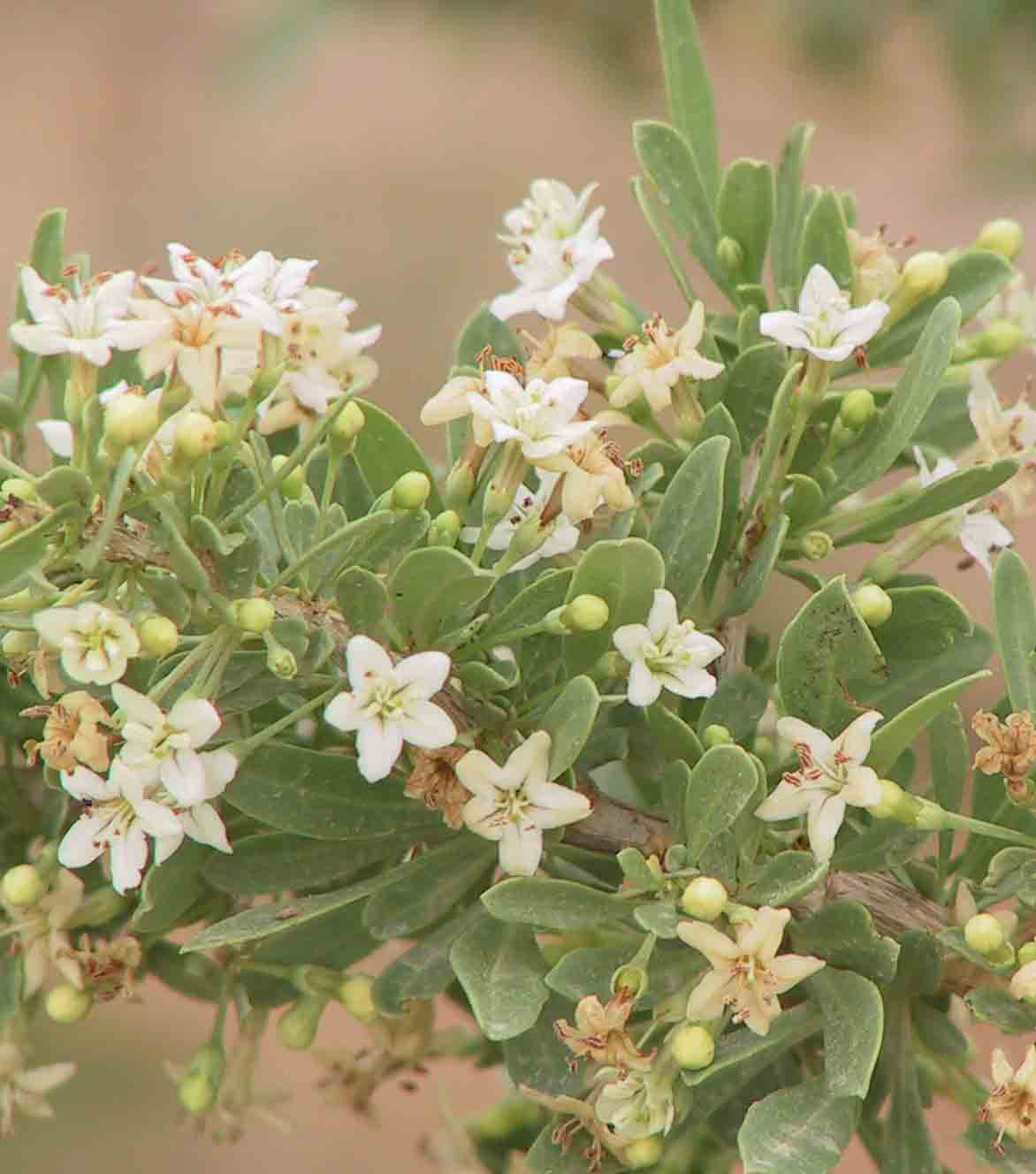
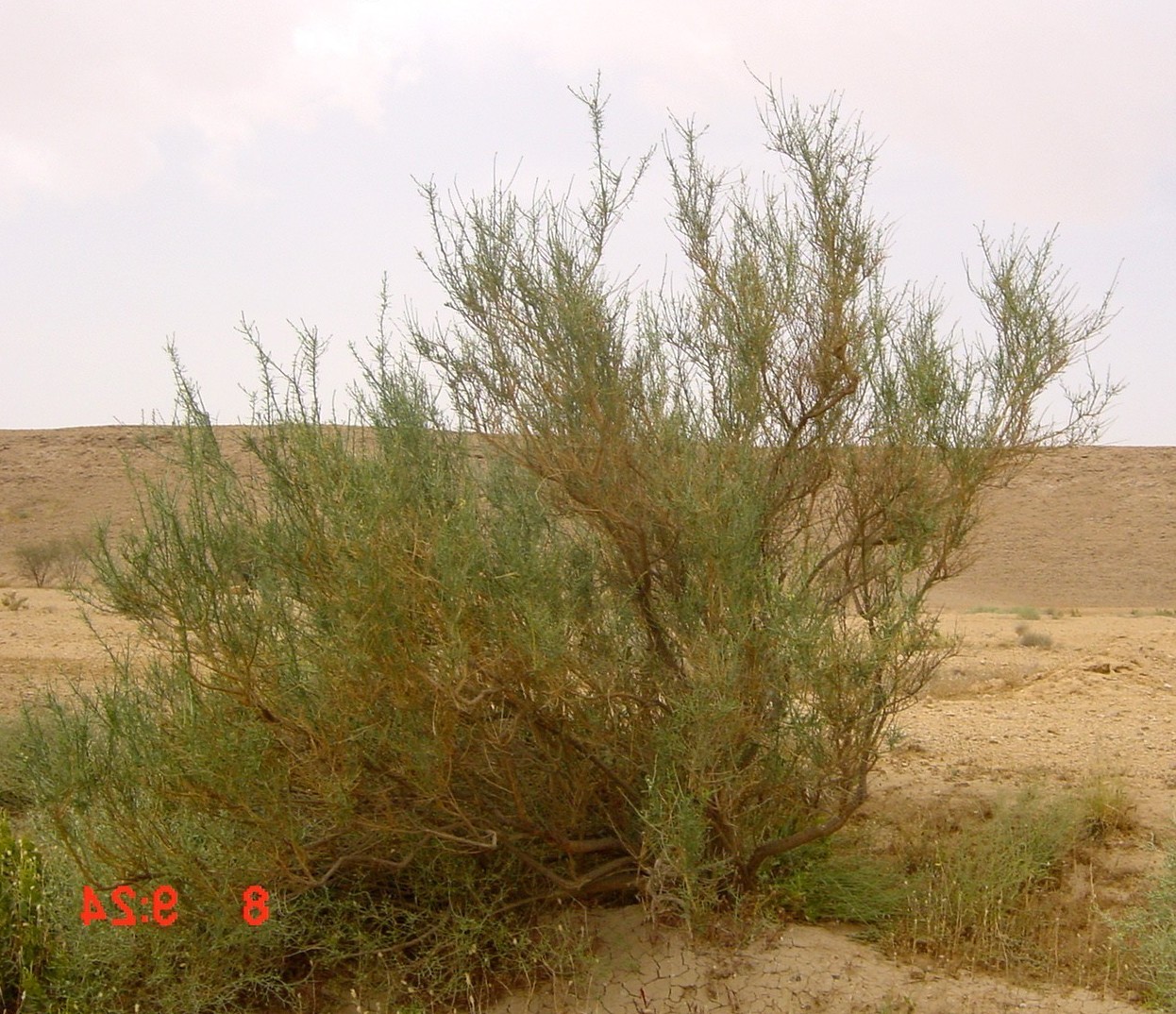
|
Vegetation of Northern Provinces |
|
|
| Vegetation | Taif | Hail | Farasan Islands | Jabal Fayfa | Huraimala | Deserts | Trees | Asir |
|
Topography and vegetation of Tabuk Region
Topography and vegetation of Tabuk Region
The regions in and around Tabuk are composed of metamorphic and igneous rocks. Western side of the region is bordered by a series of hilly and mountainous areas, particularly, the Jabal Lauz of Northern Hijaz Mountains, while the eastern and southeastern sides are bounded by the Great Nafud. Typical rangelands can be found on the Northern and southern sides of the Tabuk Province. Altitude of the region varies from 750 to 1000m in most of the areas except in parts of the northern region where some of the plateaus and hilly tracts rise to an altitude up to 1500m. Topography is more or less similar to the Central Najd and consisting of wadis, hills and open plains. Most of the wadis are originating from the north western Hijaz Mountains and run in an eastward direction; of which some of them are part of the largest Wadi Rimah drainage. Wadis in general are filled with silty sand and gravel whereas the runnels close to the hilly areas that receive more local runoff is somewhat silty. However soil deposits in open plains vary from silts to sands to coarse boulders. Wadi Sirhan that cuts through the region is composed of a complex of alluvial soils varying from sandy to clayey, gravelly or in some areas it is saline. Some of the major agriculture centers can also be seen on the eastern and southeastern side of the Tabuk Town.
In general terms, the vegetation of Tabuk Region is composed mainly of Chenopods, especially the Salsola tetrandra-Salsola cyclophylla associations. However, a few other xerophytic vegetations can also be seen in some localized centers. These localized vegetation units are dominated by Haloxylon salicornicum, Retama reaetam, Pulicaria undulata, Acacia tortilis, and Lycium shawii. On the western sides of the region, Acacia tortilis is dominating while on the southern sides Salsola spp. and Traganum nudatum are dominating. Along the northern borders where the soil is more sandy Haloxylon persicum and Artemisia monosperma form into communities, either singly or in associations with Stipagrostis, Cyperus, Cornulaca, etc. Tree species are rare in this region. However, species like, Acacia raddiana, Maerua crassifolia, Moringa peregrina, Ziziphus spina-christi, etc can be seen in some of the wadis. Other perennials which form into communities in some parts of the region are: Salsola tetrandra, Traganum nudatum, Retama raetam, Artemisia sieberi, Hyoscyamus muticus, Astragalus spinosa, Haloxylon salicornicum, Rhanterium epapposum, Farsetia aegyptiaca, etc. Apart from the xeromorphic vegetation, halophytic vegetation is also dominant in certain salt marsh ecosystems. These include: Pharagmites australis, Tamarix nilotica, Aeluropus lagopoides and Zygophyllum coccineum. A significant number of annual species are also found in the Tabuk region, most of which are belonging to the families, Brassicaceae, Asteraceae and Paplionaceae. Common annual species include: Eremobium lineare, Plantago boissieri, Anthemis melampodina, Cutandia memphitica, Silene villosa, Plantago ciliata, Savignya parviflora, Astragalus schimperi, A. annularis, Ifloga spicata, Trigonella stellata, Astragalus tribuloides, Schimpera arabica, Plantago amplexicaulis, etc.
Topography and Vegetation of Al-Jouf
Al-Jouf Region is about 550 m above sea level. It is part of the extensive Al-Widyan Region that spreads in northwest to southeast direction. It is a complex of several wadis such as Wadi Ar’ar, Wadi Aba al-Qur, etc. that pass through limestone hills. Vegetation is composed of Salsola villosa and Atriplex leucoclada. The overall vegetation is highly degraded due to overgrazing and poor rainfall. In Wadi Mayaala, about 20 km south of Ar’ar town, the frequency and density of several perennial species, particularly Heliotropium bacciferum and Aretemisia sieberi are very high. It is primarily due to the overall rainfall pattern experiencing in certain years. Yet, overgrazing combined with poor rainfall affect the overall vegetation structure of these areas. Rain in early winter has a significant effect in the vegetation of Ar’ar area rather than the rain in March-April period. In addition to the common plants, dwarf shrubs such as Achillea fragrantissima, Artemisia sieberi, Astragalus spinosa, Pituranthos triradiatus, Hammada salicornica and Artemisia monosperma can also be seen in many places. Although Salsola villosa and Atriplex leucoclada are common plant communities, at least few other associations like Salsola villosa-Traganum nudatum and Salsola tetrandra-Salsola cyclophylla associations can also be found on the edges of Ar’ar region. In certain places, occasional associations such as Rhanterium epapposum, Stipagrostis plumosa, Moltkiopsis ciliata, Polycarpaea repens, Convolvulus oxyphyllus ssp. oxyclada, Fagonia glutinosa, etc. are present. A significant number of annual species are also appearing during spring, the density of which depends on the rainfall. The most common species seen in this area is Spergularia diandra followed by Filago desertorum. Other common annual plants observed in this area are: Plantago boissieri, Eremobium lineare, Astragalus schimperi, A. annularis, A. tribuloides, Horwoodia dicksoniae, Cutandia memphitica, Plantago ciliata, P. ovata, P. amplexicaulis, Trigonella stellata, Lappula spinocarpos, Asteriscus graveolens, Artemisia scoparia, Herniaria hirsuta, Malva parviflora, Matricaria aurea, Tripleurospermum auriculatum. The density of annual cover varies from region to region. In some years, the density of Asteriscus graveolens is much higher than any other annual species or their presence is more or less similar to the plant cover of Spergularia diandra. Annual vegetation in the south of the region is also more or less similar to the north. Yet, in addition to the above annuals; species such as Paronychia arabica, Pteranthus dichotomus, Reseda alba, Gastrocotyle hispida, Aizoon hispanicum, Leotonodon laciniatum, Ifloga spicata, Helianthemum ledifolium, Picris cyanocarpa Schismus barbatus, Schimpera arabica, Roemeria hybrida, Calendula tripterocarpa and Medicago laciniata are also seen in shallow depressions and other silt areas. |
Some of the important species recorded from the region
Acacia gerrardii ssp. negevensis MimosaceaeAcacia raddiana MimosaceaeAcacia tortilis MimosaceaeAchillea fragrantissima Asteraceae Agathophora iraqensis Chenopodiaceae Alhagi graecorum Papilionaceae Anabasis articulata Chenopodiaceae Anabasis setifera Chenopodiaceae Anvillea garcinii Asteraceae Artemisia monosperma Asteraceae Artemisia seiberi Asteraceae Asperagus aphyllus Asperagaceae Astragalus sparsus Papilionaceae Astragalus spinosus Papilionaceae Atriplex halimus Chenopodiaceae Atriplex leucoclada Chenopodiaceae Calligonum comosum Polygonaceae Capparis spinosa Capparaceae Chrozophora tinctoria Euphorbiaceae Cistanche phelypaea Orobanchaceae Commiphora myrrha Burseraceae Convolvulus oxyphyllus Convolvulaceae Cornulaca ehrenbergii Chenopodiaceae Cornulaca setifera Chenopodiaceae Cyperus conglomerates Cyperaceae Dipcadi erythraeum Liliaceae Echium horridium Boraginaceae Ephedra alata Ephedraceae Ephedra alata Ephedraceae Eryngium glomeratum Apiaceae Farsetia aegyptia Brassicaceae Ferula communis Apiaceae Ficus palmata Moraceae Ficus salicifolia Moraceae Gipsophila capillars Caryophyllaceae Gymnocarpos decandrum Caryophyllaceae Halothamnus iraqensis Chenopodiaceae Haloxylon persicum Chenopodiaceae Haloxylon salicornicum Chenopodiaceae Hyoscyamus muticus Solanaceae Juncus rigidus Juncaceae Juniperus phoenicea CupressaceaeLaunaea acanthodes Asteraceae Lavandula pubescens Lamiaceae Lycium shawii Solanaceae
|
Maerua crassifolia Capparaceae Malva parviflora Malvaceae Moltkiopsis ciliata Boraginaceae Moringa peregrina Moringaceae Nitraria retusa Zygophyllaceae Noaea mucronata Chenopodiaceae Ochradenus baccatus Resedaceae Olea chrysophylla Oleaceae Panicum turgidum PoaceaePennisetum divisum PoaceaePeriploca aphylla Asclepiadaceae Pituranthos triradiatus Apiaceae Prunus arabica Rosaceae Prunus korschinskii RosaceaePulicaria crispa Asteraceae Raetama raetam PapilionaceaeReaumuria hirtella Tamaricaceae Rhanterium epapposum Asteraceae Rhus tripartita Anacardiaceae Rumex vesicarius Polygonaceae Salsola cyclophylla Chenopodiaceae Salsola tetrandra Chenopodiaceae Salsola villosa Chenopodiaceae Salsola villosa Chenopodiaceae Salsola volkensii Chenopodiaceae Salvia spinosa Lamiaceae Scrophularia hypercifolia Scrophulariaceae Segeretia thea Rhamnaceae Seidlitzia rosmarinus Chenopodiaceae Silene hochstetteri Caryophyllaceae Sophora gibbosa Papilionaceae Stipagrostis drarii Poaceae Stipagrostis plumosa Poaceae Suaeda vermiculata Chenopodiaceae Tamarix aucheriana Tamaricaceae Tamarix nilotica Tamricaceae Traganum nudatum Chenopodiaceae Traganum nudatum Chenopodiaceae Trichodesma africanum Boraginaceae Verbascum longibracteatum Scrophulariaceae Zilla spinosa BrassicaceaeZiziphus spina-christi Rhamnaceae
|
Flora of the
AIZOACEAE
AMARANTHACEAE Aerva javanica (Burm.f.) Juss. ex Schultes Agathophora alopecuroides (Del.) Fenzl Agathophora alopecuroides var. papillosa (Maire) Boulos Agriophyllum minus Fischer & Meyer Anabasis articulata (Forssk.) Moq. Anabasis lachnantha Aellen & Rech. Anabasis setifera Moq. Atriplex dimorphostegia Kar. & Kir. Atriplex halimus L. Atriplex leucoclada var. inamoena (Aellen) Zoh. Atriplex leucoclada var. turcomanica (Moq.) Zoh. Bassia eriophora (Schrader) Asch. Bassia muricata (L.) Asch. Cornulaca aucheri Moq. Cornulaca monacantha Del. Cornulaca setifera (DC.) Moq. Halocnemum strobilaceum (Pallas) M. Bieb. Halopeplis perfoliata (Forssk. ) Bunge ex Asch. Halothamnus bottae Jaub. & Spach. Halothamnus iraqensis Botsch. Halothamnus lancifolius (Boiss.) Kothe-Heinrich Haloxylon persicum Bunge ex Boiss. Haloxylon salicornicum (Moq.) Bunge Noaea mucronata (Forssk.) Asch. & Schweinf. Salsola arabica Botsch. Salsola cyclophylla Baker Salsola imbricata Forssk. Salsola incanescens C. Meyer . Salsola lachnantha (Botsch.) Botsch. Salsola schweinfurthii Solms-Laub. Salsola tetrandra Forssk. Salsola villosa Schultes Seidlitzia rosmarinus Bunge Suaeda aegyptiaca (Hasselq,) Zoh. Suaeda vermiculata Forssk. Traganum nudatum Del.
AMARYLLIDACEAE
Allium vinicolor Wendelb..
APIACEAE / UMBELLIFERAE Anisosciadium isosciadium Bornm.
Anisosciadium lanatum Boiss.
Deverra triradiata
ssp. triradiata (Hochst.) Aschers (including subfamily- Asclepiadoideae) Calotropis procera (Ait.) Ait.f. Gomphocarpus sinaicus Boiss. Pergularia tomentosa L.
Rhazya stricta Decne ASPARAGACEAE Bellevalia flexuosa Boiss. Dipcadi erythraeum Webb & Berth.
Leopoldia tenuiflora BERBERIDACEAE Leontice leontopetalum
BORAGINACEAE
Anchusa arvensis ssp. orientalis (L.) Nordh
Anchusa milleri
Willd.
Echium rauwolfii Del. Paracaryum intermedium (Fresen.) Lipsky
Trichodesma africanum
var.
africanum
(L.) R.Br.
BRASSICACEAE /CRUCIFERAE Alyssum homalocarpum (Fischer & Meyer) Boiss. Alyssum linifolium Stephen Alyssum marginatum Steudel Anastatica hierochuntica L. Brassica deflexa Boiss. Brassica tournefortii Guan. Cakile arabica Velen. & Bornm. Carrichtera annua (L.) DC. Chorispora purpurascens (Banks. & Sol.) Eig. Diplotaxis acris (Forssk.) Boiss. Diplotaxis erucoides (L.) DC. Diplotaxis harra (Forssk.) Boiss. Eremobium aegyptiacum ssp. lineare (Del.) Boiss. Eruca sativa Miller Erucaria hispanica Druce Farsetia aegyptia Turra Farsetia burtoniae Oliver Goldbachia laevigata (M. Bieb) DC. Horwoodia dicksoniae Turril Lepidium aucheri Boiss. Leptaleum filfolium (Willd.) DC. Lobularia libyca (Viv.) Webb & Berth. Malcolmia crenulata (DC.) Boiss. Malcolmia grandiflora var. glabrescens (Boiss.) Burtt & Lewis Matthiola arabica Boiss. Matthiola longipetala (Vent.) DC. Morettia parviflora Boiss. Moricandia sinaica (Boiss.) Boiss. Neotorularia torulosa (Desf.) Hedge & Leonard Notoceras bicorne (Aiton f.) Amo Savignya parviflora (Del.) Webb Schimpera arabica Hochst. & Steudel Schouwia purpurea (Forssk.) Schweinf. Sinapis arvensis L. Sisymbrium irio L. Sisymbrium loeselii L. Sisymbrium orientale L. Sisymbrium septulatum DC..
Zilla spinosa
(L.) Prantl.
CAPPARACEAE
Cleome glaucescens
DC.
CAPRIFOLIACEAE
CARYOPHYLLACEAE
Acanthophyllum
bracteatum
Boiss.
Vaccaria hispanica
Miller CISTACEAE Helianthemum aegyptiacum (L.) Mill.
Helianthemum
kahiricum Del.
Helianthemum stipulatum
(Forssk.) Christens
COLCHICACEAE COMPOSITAE /ASTERACEAE Aaronsohnia factorovskyi Warb. & Eig.
Acantholepis
orientalis
Less. Anthemis deserti Boiss. Anthemus edumea Eig.
Anthemis
haussknechtii Boiss. & Reut..
Anthemis
rascheyana Boiss.
Anthemis tenuicarpa Eig.
Carthamus nitidus
Boiss.
Centaurea
procurrens Sieb.
Echinops
viscosus DC.
Pallaenis
heirochuntica (Michon) Greater
Picris damascena var.
homocarpa Eig. Picris sprengeriana (L.) Chaix
Pulicaria arabica
(L.) Cass
Scorzonera
pusilla Pall.
Tanacetum
santolinoides (DC.) Feinbr. &
Fertig Zoegea purpurea Fresen.
CONVOLVULACEAE
Convolvulus
spicatus Peter ex Hallier Cuscuta planiflora Tenore
|
Al-Jouf Province
CUCURBITACEAE Citrullus colocynthis (L.) Schrader
CYNOMORIACEAE
CYPERACEAE
Cyperus
macrorrhizus Nees
EPHEDRACEAE
EUPHORBIACEAE
Euphorbia granulata
var. granulata Forssk.
FRANKENIACEAE
GERANIACEAF Erodium oxyrhynchum var. oxyrhynchum M. Bieb.
Erodium
oxyrhynchum
var.. bryonifolium
(Boiss.) Schönb.-Tem. IRIDACEAE Moraea sisyrinchium
Iris postii
Mouterde
IXIOLIRIACEAE
JUNCACEAE
LAMIACEAE / LABIATAE
Thymus musilii Velen.
LEGUMINOSAE
Acacia
gerrardii var. negevensis Zoh.
Astragalus
hauarensis Boiss.
Astragalus spinosus
(Forssk.) Muschl.
Lotus lanuginosus
Vent..
Gagea
reticulata (Pall.) J.A. & J. H.
Schultes
NEURADACEAE
NITRARIACEAE
Nitraria retusa (Forssk.) Aschers OROBANCHACEAE Cistanche phelypaea (L.) Cout. Cistanche tubulosa (Schenk) Wight Cistanche violacea (Desf.) G. Beck. Orobanche cernua var. cernua Loefl. Orobanche hypertomentosa M.J. Y. Foley
Orobanche ramosa
L.
PAPAVERACEAE
PLANTAGINACEAE Chaenorhinum calycinum (Banks. & Sol.) P.H. Davis Kickxia aegyptiaca (L.) Nab. Linaria micrantha (Cav.) Hoffmanns. & Link Linaria tenuis (Viv.) Spreng. Plantago amplexicaulis Cav. Plantago boissieri Hausskn. & Bornm. Plantago ciliata Desf. Plantago coronopus L. Plantago cylindrica Forssk. Plantago ovata Forssk. Plantago psammophila Agnew & Chalabi-Ka'bi
Limonium lobatum (L.f.) Chaz.
POACEAE /GRAMINEAE
Bromus fasciculatus Presl. Bromus haussknechtii Boiss. Bromus madritensis L. Bromus sericeus Drobov. Bromus tectorum ssp. tectorum L. Cenchrus ciliaris L. Centropodia forsskaolii (Vahl) Cope Centropodia fragilis (Guinet & Sauvage) Cope Cutandia memphitica (Sprengel) K. Richter Cynodon dactylon (L.) Pers. Eremopyrum bonaepartis (Sprengel) Nevski Eremopyrum distans (C. Koch) Nevski Hyparrhenia hirta (L.) Stapf Imperata cylindrica (L.) Raeuschel Lasiurus scindicus Henr. Lolium rigidum Gaud. Pennisetum divisum (Gmel.) Henr. Phalaris minor Retz. Phragmites australis (Cav.) Trin. & Steudel. Poa sinaica Steudel. Polypogon monspeliensis (L.) Desf. Rostraria pumila (Desf.) Tzvelev Schismus arabicus Nees. Schismus barbatus (L.) Thell. Stipa capensis Thunb. Stipa hohenackeriana Trin. & Rupr. Stipa parviflora Desf. Stipagrostis ciliata (Desf.) de Wint.
Stipagrostis drarii (Tackh. de Wint.
POLYGALACEAE
POLYGONACEAE
PRIMULACEAE
Androsace
maxima
L.
Reseda decursiva
Maire
RUBIACEAE
Haplophyllum tuberculatum (Forssk.) A. Juss.
SALICACEAE
Scrophularia deserti Del. Scrophularia hypericifo1ia Wydl. Verbascum transjordanicum Murb.
SOLANACEAE
Reaumuria
alternifolia (Labill.) Britten Tamarix mascatensis Bunge Tamarix ramosissima Ledeb.
Tamarix
senegalensis DC.
Typha
domingensis (Pers.) Poir
URTICACEAF
XANTHORRHOEACEAE Asphodelus fistulosus L. Asphodelus tenuifolius Cav. Asphodelus refractus Boiss.
ZYGOPHYLLACEAE
Fagonia mollis Delile Tetraena simplex
Tribulus
macropterus var. macropterus
Boiss. Zygophyllum fabago L.
|